Ford Ranger Commercial Trucks
Find a midsize Ford pickup that fits the tools, trailer and travel your business requires.
A Ranger can be a useful commercial-truck candidate when the job calls for a pickup bed and a midsize vehicle. The purchasing decision should start with the actual crew, cargo, trailer and access requirements, then move to a specific available truck and compatible equipment. Frank can help you compare the options against that work.
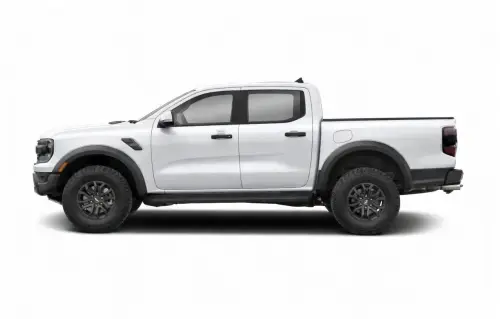
Model illustration; confirm the features and availability of the specific truck.
Where Does a Ranger Fit in a Commercial Fleet?
Consider the Ranger for assignments that need a pickup’s cargo flexibility without automatically requiring a larger truck. Examples to evaluate include field supervision, property maintenance, technical service and crews carrying tools between locations. The job description alone is not enough; two maintenance businesses can carry very different loads.
Write down what the truck does on a typical day. Include the number of occupants, the tools kept aboard, the materials added for a job and any trailer. Record the places it must park and the surfaces it regularly uses. That description helps determine whether a midsize pickup is a practical fit.
For a mixed fleet, separate the roles that need larger work bodies from the roles that can be served by a pickup. A Ranger assigned to a defined task can be evaluated on its own merits rather than asked to replace every other vehicle the business owns.
Also identify the assignment’s limits. If employees routinely add heavier equipment or tow a different trailer, the original vehicle decision may need review. Choosing the truck around a realistic workload is more useful than purchasing for an average day and ignoring the demanding days that occur regularly.
Bed Dimensions and Access: Plan the Finished Arrangement
Measure the tools and containers that will live in the bed. Include handles, lids, wheels and the room needed to remove them. Then identify the occasional large item that may share the space. A compact drawing of the working load often reveals conflicts before an accessory is ordered.
Think about where the employee stands to retrieve equipment. A frequently used case that sits behind a toolbox can be inconvenient even if everything fits. If the business needs access from more than one side, make that part of the equipment request.
Compare the bed after proposed accessories are installed. A toolbox occupies space; a cover changes the available height and opening; a rack introduces its own mounting and clearance considerations. Ask the supplier to confirm the complete combination for the specific Ranger rather than evaluating each accessory independently.
If the load needs extensive enclosed organization, compare the pickup arrangement with a commercial van. The Ford Transit guide provides another starting point when interior shelves, protected cases or a larger organized cargo area are central to the assignment.
Payload: Count the People and Equipment as Well as Cargo
Review the exact truck’s information when determining its suitability for the working load. A model’s advertised maximum does not describe every configuration. Options, installed equipment and the intended load all matter to the specific vehicle decision.
List occupants, tools, supplies and accessories with realistic weights. Include anything normally left in the truck between jobs. If a trailer is used, account for its load on the truck as part of the combined operating review rather than treating bed capacity and towing as unrelated allowances.
As a planning example, imagine a business adds a storage system and then stocks it with tools. Both the empty system and the contents contribute weight. The storage unit’s own rating describes a limit of that component; it does not increase the truck’s capacity. The completed arrangement needs to respect the applicable vehicle and equipment limits.
Review the busiest normal use, including another occupant or extra job materials where those are routine. If the planned load leaves insufficient flexibility for the assignment, compare another configuration or vehicle. Frank can help organize the comparison around the real requirement instead of a general maximum figure.
Towing: Match the Ranger to the Loaded Trailer
Start with the trailer’s loaded operating condition. Provide the trailer type, weight, coupling details and the equipment carried on it. If the business uses more than one trailer, identify each one that the selected truck is expected to handle.
Confirm the exact Ranger configuration and required towing equipment. A visible receiver does not establish the complete vehicle rating or confirm that every necessary component is present. Ask for the vehicle information and have the proposed truck, trailer and hitch combination reviewed together.
Include the cargo and people carried in the truck while towing. The load on the pickup and the trailer’s contribution affect the finished combination. A comparison based on an empty truck and empty trailer may not represent a normal workday.
Discuss the frequency and environment of towing, including regular routes and loading locations. If trailer work is the main task rather than an occasional duty, make that clear before narrowing the search. Our towing equipment guide explains the information needed to compare the complete setup.
Select Equipment for the Jobsite and Daily Route
Describe the surfaces the truck actually travels on. Paved customer lots, maintained access roads and more demanding terrain create different requirements. Compare the available driveline, tires and equipment against those conditions instead of selecting solely from appearance or a broad off-road label.
Check parking and access requirements with the finished vehicle in mind. Racks, carried ladders and other additions can change clearances. If the truck needs to enter a particular garage or covered loading area, identify that restriction before ordering accessories.
Review the driver’s work routine as well. The employee may spend long periods traveling, make repeated short stops or carry another technician. Confirm the cab arrangement, storage for work items and the specific features included on the available truck.
Keep optional equipment tied to an actual use. A feature may be valuable if it supports a recurring task, but the business should understand what it does and how it is used. Request a demonstration where practical and review the relevant operating instructions at handoff.
Toolboxes, Racks and Covers: Compare Them as a System
Identify what needs organization, weather protection or controlled access. Then compare suitable products for those needs. Toolboxes, covers and racks can work together only where their fit and mounting arrangements are compatible with the exact truck and with each other.
For a toolbox, check usable internal dimensions and lid movement with nearby accessories. For a rack, specify the actual ladder or material, its dimensions and weight, and the loading method. For a cover, consider whether the cargo fits under it and how the employee reaches items during a service stop.
Ask for product names, installation details and applicable limits in the proposal. Include accessories and their contents in the working-load review. Do not assume that adding a stronger-looking component changes another part of the vehicle’s limitations.
Use our toolbox guide, ladder rack guide and bed storage guide to prepare a focused request. Product suitability still needs to be confirmed for the specific Ranger and complete arrangement.
Compare Ranger With Other Ford Business Vehicles
A vehicle comparison should begin with the job that is not being solved. If the issue is cargo space, measure the missing space. If it is trailer suitability, provide the loaded trailer details. If it is organization, explain the tools and retrieval process. This avoids moving to a different vehicle without resolving the original problem.
A Ford Maverick may deserve consideration for a lighter assignment that fits a compact pickup. A Ford F-150 may provide another pickup configuration to evaluate. Neither comparison should rely only on exterior size; confirm the exact equipment and capability required.
For a trade that needs a dedicated work body, explore the commercial truck and upfit options. A purpose-built body on a suitable chassis can address a different type of work than an ordinary pickup bed with accessories.
For fleets, use vehicle roles to guide the mix. One business may need different trucks for supervisors, technicians and equipment transport. A consistent decision process is more valuable than forcing every role into the same vehicle category.
How to Request and Evaluate an Available Ranger
Send Frank the assignment, load, occupants, towing requirement and desired timing. Include a stock number if you are considering a particular truck. We can help compare available vehicles and identify the equipment details that need confirmation.
Ask for an itemized proposal that separates the truck and accessories. Confirm which equipment is already installed, what still needs to be ordered and who will complete the installation. Vehicle availability and the ready-for-work date should be confirmed separately when additional equipment is involved.
For several purchases, write down the essential specification and any acceptable alternatives. This makes it easier to compare available units without overlooking a required feature. Keep optional preferences separate from the equipment necessary to perform the job.
At delivery, review the actual cargo arrangement, accessory operation and any towing equipment included. Obtain product instructions and service contacts. Retain the final vehicle and equipment information so future purchases can build on a documented working setup.
Illustrative Assignment: Maintenance Tools and an Occasional Trailer
A property-maintenance business carries tool cases and supplies daily, with a trailer used for certain jobs. The truck comparison should include both conditions: the ordinary loaded bed and the truck’s load when the trailer is attached.
Measure the tool storage, identify the loaded trailer and describe the people traveling in the truck. Then compare specific available Ranger configurations and the proposed equipment against that combined use.
If the assignment exceeds a candidate vehicle’s limits or leaves the cargo difficult to access, revise the vehicle or equipment plan. The purpose of this example is to show the decision process, not to approve a particular truck and trailer combination.
Bring These Details to the Conversation
- Primary assignment, route and passenger needs
- Tools, supplies and accessories with dimensions and weights
- Every trailer the truck must tow in loaded condition
- Parking restrictions, access surfaces and rack requirements
- Vehicle quantity, target date and any truck stock number
Include your vehicle quantity, target ready-for-work date and any stock number you are considering.
Let’s Match the Vehicle and Equipment to Your Work
Tell Frank how your business would use the Ranger. We can help compare available trucks and organize the vehicle, storage and towing questions into a practical purchase discussion.
Start with what you know. We can help compare available Ford vehicles, identify the requirements to take to the upfitter and clarify the proposed equipment, price and completion schedule. Vehicle availability and installation timing are confirmed separately.
Send your requirements below, call 239-274-2405 or email frank@commercialfleetvehicles.com.
Ford Ranger Commercial-Truck Questions
Is a Ford Ranger a good work truck for my business?
It depends on the assignment and exact truck. Compare the crew, cargo, trailer and access requirements with a specific available vehicle and its equipment before deciding whether a midsize pickup is the right fit.
Can a Ranger carry toolboxes and a ladder rack?
Compatible products may be available, but fit, mounting, access and combined loading must be reviewed for the exact truck. Provide the intended tools and ladder rather than selecting accessories independently.
How do I determine a Ranger’s payload allowance?
Use the exact vehicle’s information and applicable guidance, then account for occupants, cargo and added equipment. A model-family maximum should not be treated as the allowance for every Ranger.
Does a receiver hitch prove a truck can tow my trailer?
No. Confirm the vehicle configuration, required equipment and the loaded trailer. The truck, trailer, hitch and operating load must be evaluated as a complete combination.
Should I choose four-wheel drive for business use?
Describe the surfaces and access conditions the truck will encounter, then compare available configurations. The decision should reflect the actual route and operating needs rather than appearance alone.
When should I compare a larger pickup or a van?
Compare alternatives when the required load, towing, enclosed storage or access cannot be handled appropriately by the selected Ranger. Measure the unmet need so the next comparison solves it.
Can you help source several Rangers for a fleet?
We can review available vehicles against a clear specification and discuss quantity and timing. Exact availability and any accessory installation schedule must be confirmed for the proposed units.
What should I send to start the conversation?
Send the assignment, normal load, trailer details, required accessories and target date. A stock number and photos of the current equipment arrangement can make the initial review more specific.
Compare Available Rangers Against Your Real Workload
Share the job, cargo and trailer requirements with Frank. We can help you evaluate available Ford Ranger trucks and define the equipment needed before putting one to work.