Ford Maverick Commercial Vehicles
Compare the Ford Maverick with the work your business actually performs, then ask Frank about available trucks that fit the assignment.
The Maverick is worth considering when a business needs a compact pickup for people, tools and manageable cargo rather than a larger truck for every assignment. Its suitability depends on the exact vehicle, working load, equipment and any trailer. Start with those requirements so the purchase supports the job from the first day.
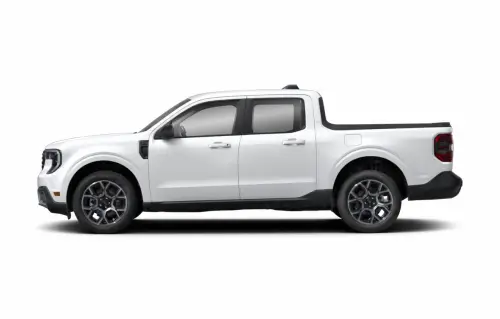
Model illustration; confirm the features and availability of the specific truck.
Which Business Roles Should Consider a Maverick?
A compact pickup can make sense for assignments that involve frequent travel and a modest equipment load: estimating, site visits, property inspections, supervisory work or light service tasks. The useful question is whether the truck carries what the employee needs without requiring another vehicle to finish the normal job.
List a representative day. How many people travel? Which cases or tools are always carried? What occasional items need to go in the bed? Where does the truck park at customer locations? These details help distinguish a practical compact-truck assignment from one that needs more cargo space or a different body.
A Maverick can also be evaluated as one part of a mixed fleet. A business may use larger trucks for heavy equipment and a smaller pickup for employees whose duties do not require the same setup. Assign the vehicle to the role instead of assuming every employee needs the largest truck in the fleet.
Be equally clear about the jobs it should not inherit. If the route regularly grows to include bulky equipment, substantial material loads or demanding trailer work, compare those requirements with a larger pickup or a commercial van before making a decision. Right-sizing should preserve the ability to do the work.
How Much Cargo Space Do You Really Need?
Measure the tools and containers you expect to carry, including handles and the room needed to remove them. Decide which items belong in the bed and which require an appropriate protected storage arrangement. Avoid using passenger space as an unplanned substitute for a cargo layout.
Think about the largest regular item as well as the normal load. A compact bed may handle the daily cases but require a different plan for an occasional oversized component. Describe how often that happens and whether the business already has another vehicle for those assignments.
Review bed access with any proposed toolbox, cover or other accessory installed. A storage box uses space and may change how a case can be reached. A cover changes the usable opening and height beneath it. Compare the finished arrangement rather than the empty bed alone.
Make loading and unloading part of the evaluation. The employee should be able to reach frequently used equipment through the intended access point. If the proposed arrangement requires removing unrelated items at every stop, consider a different storage product or vehicle format before committing.
Payload: Review the Exact Truck and Completed Load
Payload planning includes the people, cargo and added equipment carried by the truck. A published model maximum is not the allowance for every vehicle on the lot. The exact truck’s configuration, labels and applicable guidance need to be reviewed for the intended working load.
Build a simple inventory with realistic weights. Include occupants, the toolbox or cover, tools, supplies and any other accessories. If the truck tows a trailer, the trailer’s load on the truck must also be included in the review. Do not count the same remaining capacity twice when planning bed cargo and towing.
Keep occasional busy-day loads in the discussion. A truck selected only for a lightly loaded inspection day may not be suitable when another employee and extra equipment join the route. Identify that requirement before deciding whether the Maverick is the correct fit.
Ask Frank to help narrow the available vehicles, then confirm the exact truck and finished setup against the work. If the load leaves little practical flexibility, compare a different configuration or a larger vehicle. The goal is a truck the employee can use confidently within its limits.
Towing: Specify the Trailer Before Selecting the Truck
If towing is part of the assignment, provide the trailer type, loaded weight, coupling information and how often it will be used. Include the tools or materials normally carried in the pickup at the same time. Trailer and truck loads need to be evaluated together.
Maverick towing capability varies with configuration and equipment. Confirm that the specific truck has the required factory equipment and that the complete trailer setup is appropriate. A hitch’s presence or rating alone does not establish the vehicle’s towing capability.
Do not base the purchase on an empty trailer’s weight if it normally carries equipment. Use the loaded operating condition and have the applicable vehicle, trailer and hitch limits checked. Also discuss any required braking and connection equipment for the actual combination.
If towing is frequent or the intended load points toward a different vehicle, compare alternatives early. Our commercial towing equipment guide explains the information to bring to that conversation. A clear trailer description makes the vehicle search much more useful.
Hybrid and Gasoline Choices: Compare the Actual Assignment
The Maverick lineup includes hybrid and gasoline options, with equipment availability depending on the exact configuration. Ask for the window sticker and vehicle details of the truck being considered so the comparison reflects what is actually available.
Describe the route mix: local stops, longer highway travel, jobsite access and expected annual use. Compare the relevant fuel-economy information for the exact configurations, recognizing that the load, route, driving and conditions affect actual results. Avoid using one advertised figure as a guaranteed business outcome.
For a cost comparison, use your own expected miles and a consistent fuel-price assumption. Include purchase price, required accessories and the vehicle’s assigned duties. A lower fuel estimate does not solve a cargo or towing mismatch, and optional equipment should be evaluated for the work it supports.
Discuss traction and access needs with the same specificity. Describe the surfaces and locations the employee visits, then compare the available driveline and equipment. A broad label such as jobsite vehicle does not tell us whether the route is paved customer parking or a materially different operating environment.
Plan Bed Storage and Accessories With a Clear Purpose
Start with what needs organization, weather protection or controlled access. A compatible toolbox, cover or storage system may address the need, but each changes the finished bed layout and contributes weight. Confirm product fit for the exact truck before including it in the purchase.
Measure cases against usable storage dimensions. Check lid or door movement, the ability to retrieve items and whether another accessory interferes. If a rack is proposed, have its compatibility, mounting and load limits reviewed with the truck and any bed cover as one combination.
Separate the request into essentials and optional conveniences. A dedicated place for frequently used tools may be more valuable than accessories that do not improve the daily assignment. Ask for an itemized installed price so the finished configuration is clear.
Our truck toolbox guide and bed storage guide explain how to compare dimensions, access and storage tradeoffs. Those guides are starting points; the supplier must confirm any selected product for the Maverick.
When Should You Compare a Different Ford Vehicle?
Compare a larger pickup when the regular cargo, trailer or equipment requirements exceed what the specific Maverick can support. The next step should be based on the measured need, not simply a preference for a larger badge. A different vehicle may solve the task more directly.
A Ford F-150 may belong in the comparison when a business needs another pickup configuration. A Ford Transit deserves consideration when enclosed storage, interior shelving or a larger organized cargo area is central to the job. Each option must still be checked against the exact load and operating needs.
For specialized work bodies, begin with the appropriate commercial truck and upfit options instead of assuming an ordinary pickup should be adapted to every task. Some business needs are better addressed by a chassis and purpose-built body.
In a mixed fleet, the right answer may be more than one vehicle type. Keep compact pickups assigned to the work they fit and use other vehicles where the load demands them. Our fleet solutions guide can help frame that broader discussion.
How to Buy an Available Maverick for Business Use
Send Frank the assignment, normal load, passenger needs, trailer details if applicable and desired timing. If you have found a specific truck, include its stock number. We can compare that vehicle with the requirements and identify the details that need confirmation.
Ask for a clear vehicle description and an itemized proposal for any accessories. Confirm what is installed already, what still needs to be sourced and the expected completion schedule. An in-stock truck and a finished business setup are related but separate availability questions.
For several vehicles, identify which equipment should be consistent and where differences are acceptable. Keep a short approved specification covering the assignment, essential features and accessories. This helps compare available units without losing track of what the business actually needs.
At handoff, review the selected equipment, cargo arrangement and any accessory instructions. Keep the vehicle information and installation records with the fleet file. If the employee’s assignment changes later, review the load and equipment again rather than assuming the original selection covers every new duty.
Illustrative Assignment: An Estimator With Tools and Site Samples
Consider an employee who travels between customer locations with measuring equipment, a few tool cases and occasional samples. The business should measure that load, identify protected storage needs and confirm the passenger requirements.
If those needs fit the specific Maverick and compatible storage arrangement, a compact pickup may be a useful option to compare. If the role regularly adds bulky equipment or trailer work beyond the selected truck’s capability, another vehicle should be evaluated.
This is an example of matching the assignment to the vehicle, not a claim that every estimator or service business needs the same truck. Send your actual load and we can help make the comparison concrete.
Bring These Details to the Conversation
- Employee assignment, daily route and passenger needs
- Normal tools, cargo dimensions and realistic working weights
- Trailer details and loaded use, if towing is required
- Storage, cover or accessory requirements
- Vehicle quantity, preferred timing and any stock number
Include your vehicle quantity, target ready-for-work date and any stock number you are considering.
Let’s Match the Vehicle and Equipment to Your Work
Tell Frank how the Maverick would be used in your business. We can help compare available trucks, check the equipment details and clarify a practical purchase and accessory plan.
Start with what you know. We can help compare available Ford vehicles, identify the requirements to take to the upfitter and clarify the proposed equipment, price and completion schedule. Vehicle availability and installation timing are confirmed separately.
Send your requirements below, call 239-274-2405 or email frank@commercialfleetvehicles.com.
Ford Maverick Business-Use Questions
Is the Ford Maverick suitable for commercial use?
It can be worth considering for a business assignment that fits the exact truck’s cargo, passenger and equipment capabilities. Define the job and load first rather than assume one compact pickup suits every commercial task.
Can I use a Maverick for light service work?
Potentially, where the tools, supplies and access needs fit the vehicle and storage arrangement. Measure the load and review the completed setup before deciding whether it supports the normal service call.
How much can a particular Maverick carry?
Use the exact vehicle’s information and applicable guidance. Occupants, cargo and added equipment contribute to the working load, so a model-family maximum should not be treated as every truck’s allowance.
Can a Maverick tow my work trailer?
Provide the loaded trailer details and the cargo carried in the truck. Capability depends on the exact vehicle and equipment, and the complete truck, trailer and hitch combination needs review.
Should my business choose a hybrid or gasoline configuration?
Compare the available vehicles against the route, load, towing needs and operating assumptions. Use configuration-specific information and realistic business use rather than relying on a single advertised figure.
Can a toolbox or bed cover be added?
A compatible product may be suitable, but confirm fit, usable space, access and added weight for the exact truck. Include the installation and any interactions with other accessories in the proposal.
When is a Transit or larger pickup a better choice?
Compare alternatives when the business needs more enclosed organization, cargo room or capability than the selected Maverick supports. The measured job requirements should drive that decision.
How do I check trucks available at the dealership?
Contact Frank with the assignment, required equipment, vehicle quantity and timing. Include a stock number if you have one so availability and suitability can be discussed for a specific truck.
Find Out Whether a Maverick Fits Your Business
Send the job, load and timing to Frank. We can help you compare available Ford Maverick trucks and identify the equipment needed for the assignment.